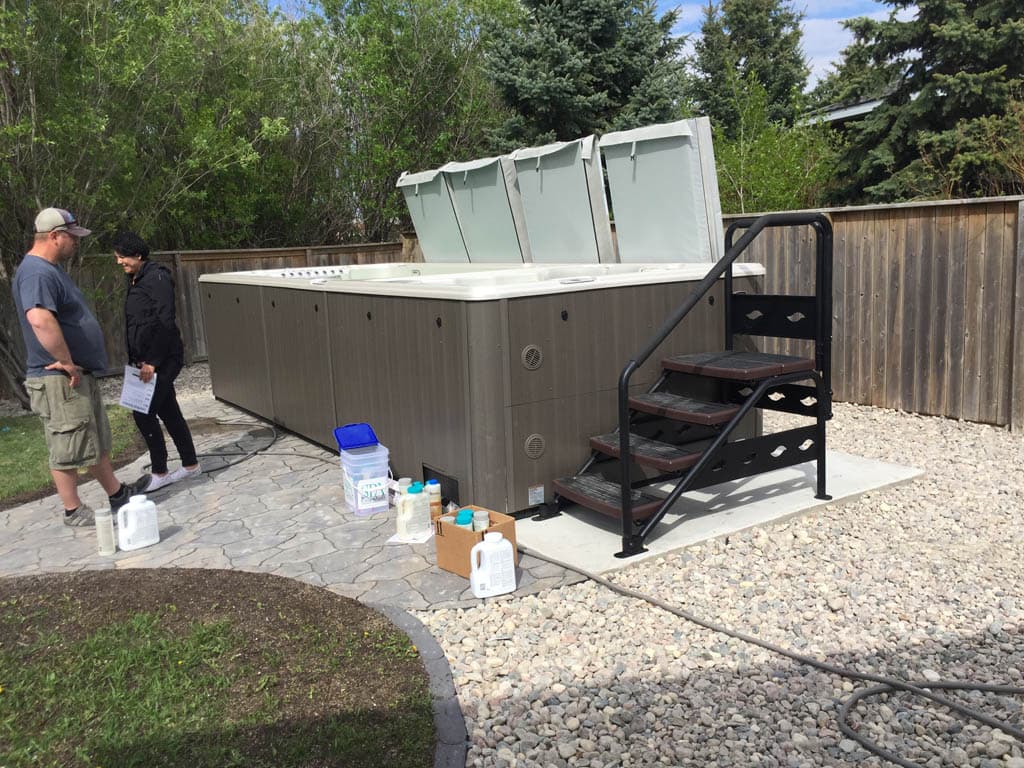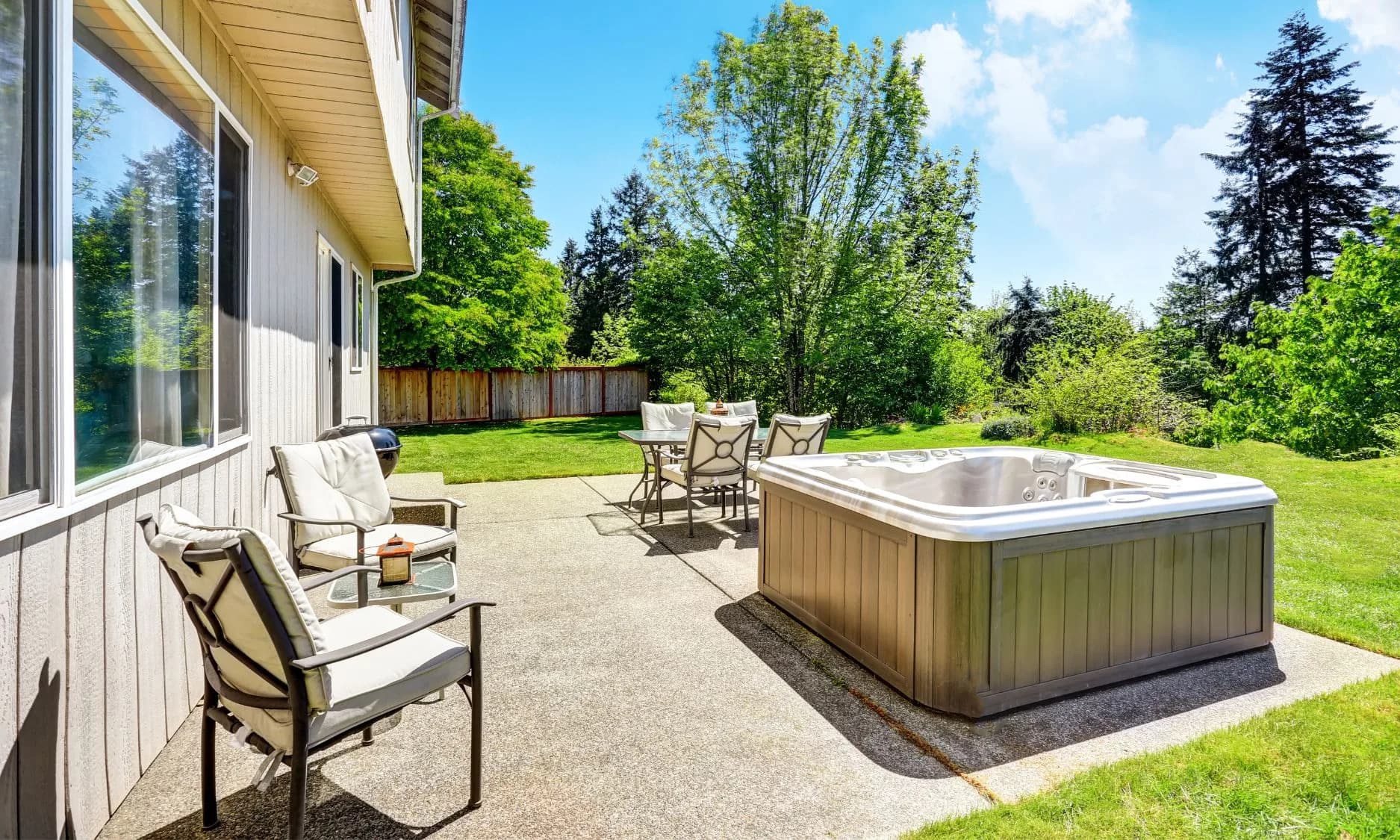
Installing a hot tub is a big investment, and the foundation you place it on is just as important as the hot tub itself. A poorly installed pad can lead to shifting, cracking, drainage problems, and even damage to your spa. Here are the five most common mistakes homeowners make when installing a hot tub pad — and how to avoid each one.
1. Not Excavating and Leveling the Ground Properly
The Mistake
Many homeowners skip proper excavation and assume they can pour concrete or lay gravel directly on top of uneven ground. This leads to an uneven pad that causes the hot tub to shift, rock, or put uneven stress on the shell — potentially voiding the manufacturer's warranty.
The Fix
- ✓Excavate the entire area to a consistent depth, removing all topsoil and organic material
- ✓Use a laser level or string level to verify the grade is perfectly flat across the pad area
- ✓Compact the soil with a plate compactor before adding any base material
Why It Matters
A level foundation distributes the full weight of your hot tub evenly — typically 2,000 to 5,000 pounds when filled with water and occupants. An uneven base concentrates stress on specific points, leading to cracking, shell damage, and potential safety hazards.
2. Choosing the Wrong Type of Base
The Mistake
Not all foundations are created equal. Some homeowners place their hot tub on patio stones, wooden pallets, or bare dirt, thinking any flat surface will do. These surfaces shift, rot, or sink over time, creating serious stability problems.
The Fix
- ✓Concrete padsare the best choice for permanent installations — strong, stable, and long-lasting
- ✓Compacted gravel pads are a budget-friendly alternative with excellent drainage for lighter hot tubs
- ✓Reinforced deckingcan work if engineered to handle the weight — consult a structural professional first
Why It Matters
The wrong base material will shift, settle unevenly, or deteriorate. This leads to voided warranties, cracked hot tub shells, and expensive repairs. Choosing the right foundation from the start saves thousands in the long run.
3. Using Too Thin or Weak Concrete
The Mistake
Some contractors or DIYers pour concrete pads that are only 2-3 inches thick or use low-strength concrete mixes. This creates a pad that cracks under the weight of a filled hot tub, especially during Ontario's freeze-thaw cycles.
The Fix
- ✓Pour at least 4–6 inches of concrete for standard hot tubs, thicker for swim spas
- ✓Use 3,500+ PSI (32 MPA) concrete for maximum strength and durability
- ✓Reinforce with rebar or wire mesh to prevent cracking and improve structural integrity
- ✓Apply a broom finish for a non-slip surface around the spa
Why It Matters
Thin or weak concrete will crack, chip, and crumble under the constant weight and moisture exposure. Replacing a failed pad means moving your hot tub, demolishing the old slab, and starting over — a costly and avoidable headache.
4. Ignoring Drainage & Water Runoff
The Mistake
Water from rain, snow melt, and hot tub splashing needs somewhere to go. Many homeowners install their pad in a low spot or fail to plan for drainage, leading to standing water around the base — which erodes soil, creates ice hazards, and promotes mold growth.
The Fix
- ✓Build a slight slope of ⅛ inch per foot away from the pad and any structures
- ✓Install a French drain or channel drain around the pad perimeter if the yard has poor natural drainage
- ✓Avoid placing the pad in the lowest area of the yard where water naturally collects
Why It Matters
Standing water undermines the gravel base beneath your pad, causes frost heaving in winter, and creates a slippery safety hazard. Proper drainage keeps your foundation intact and your spa area safe year-round.
5. Not Planning for Electrical & Accessibility Needs
The Mistake
Homeowners often install their pad without considering where the electrical connection will come from or whether there is enough space around the hot tub for maintenance access. This leads to extension cords draped across the yard, undersized circuits, and an inability to service the spa without moving it.
The Fix
- ✓Plan for a dedicated 220V GFCI breaker and have conduit run to the pad location before the pour
- ✓Work with a licensed electrician to ensure wiring meets local code — never use extension cords for a hot tub
- ✓Leave at least 24 inches of clearance on the service side of the hot tub for pump access, filter changes, and maintenance
Why It Matters
Improper electrical setup is a serious safety risk — tripped breakers, electrocution hazards, and code violations. And a pad that's too tight to the fence or house wall means technicians can't access components, turning simple maintenance into a major project.
Ready for a Professionally Installed Hot Tub Pad?
Skip the DIY guesswork and let our experienced team handle your hot tub pad installation the right way. We handle excavation, leveling, drainage, and the pour — typically completed in just two days.
Get a Free Quote